Based on Federico García Lorca – “Yerma”
Director: Artūras Areima
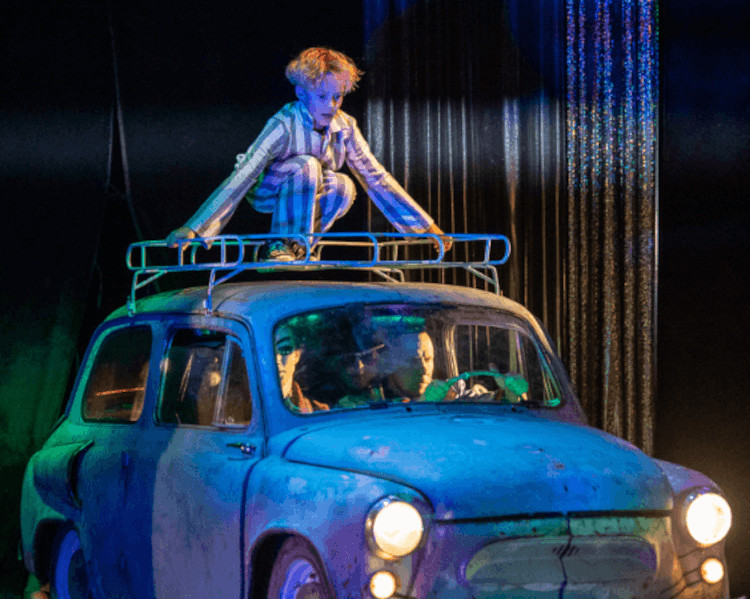
“Yerma” is a performance about relationships that grow cold, about love that no longer feels safe, about motherhood, and the courage to confront what is often left unspoken.
In this staging by Artūras Areima, based on Lorca’s play “Yerma”, the focus is on the theme of reproduction. At the core lies the tension between societal expectations—the pressure to have children—and the individual’s freedom to shape their own life. The performance explores different faces of motherhood and its contradictions: the helplessness of not being able to conceive and the fear of losing oneself after becoming a parent.
The story follows a young woman tormented by social stigma—a childless marriage. Yerma becomes consumed by the desire to have a child in order to meet what she believes are societal norms. The play addresses a body that begins to dictate more than the mind, love that cannot be contained within a relationship, and motherhood as desire, as divinity, as illness, and as protest. “Yerma” speaks about the search for meaning when all other ways of giving life purpose seem to fail.
Although choosing not to have children can be a rational decision, societal pressure to become parents is so strong that many couples never even consider the alternative. In Lithuania, around 15% of couples face infertility; 4 out of 5 couples separate after losing a child; every fifth woman experiences miscarriage; and about 19% suffer from postpartum depression. The statistics are striking, yet the emotions surrounding human reproduction often remain hidden behind closed doors.