LVSO ANNIVERSARY CONCERT: R. WAGNER. “PARSIFAL”
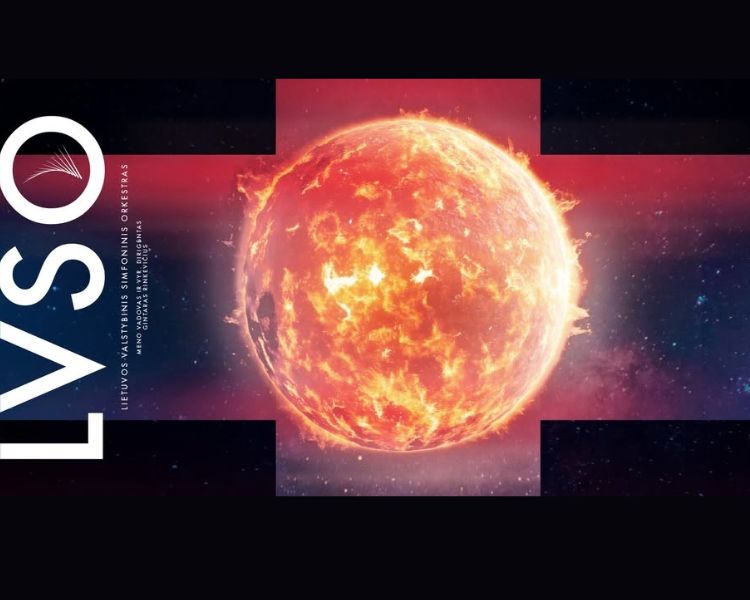
R. Wagner. Musical drama “Parsifal” (concert performance)
The Lithuanian State Symphony Orchestra, led by Artistic Director and Chief Conductor Maestro Gintaras Rinkevičius, celebrates the orchestra’s 38th anniversary by continuing an ambitious cycle requiring the highest level of professional mastery, dedicated to the late operas of German musical genius Richard Wagner (1813-1883). This time, the grand and sacred three-act music drama “Parsifal” – the composer’s final work, completed just a year before his death – will resound at the LVSO Concert Hall.
Although the idea for the work occurred to R. Wagner as early as 1857, he completed the score 25 years later, in 1882. The premiere of Parsifal took place that same year at the Bayreuth Festival Opera House, the very venue for which it was written. For the first three decades, “Parsifal” was performed exclusively in Bayreuth – this was R. Wagner’s express wish, as he wanted to prevent the work from becoming ordinary entertainment and ensure it was experienced precisely as he intended. Due to the desire to maintain a sacred atmosphere, a unique tradition emerged and continues to this day: after the first act, which ends with the mystical Grail ritual scene, audiences in many theaters refrain from applauding.
In “Parsifal”, R. Wagner returns to the Holy Grail theme previously explored in his opera “Lohengrin”. The libretto, written by R. Wagner himself, is based on the 12th-century French trouvère Chrétien de Troyes’ poem “Perceval, the Story of the Grail” and the 13th-century German minnesinger Wolfram von Eschenbach’s chivalric romance “Parzival”. The plot tells the story of the knight Parsifal, who, guided through various trials, grows from a naive, innocent youth into a spiritually mature individual. Ultimately, he becomes the redeemer destined to save the Brotherhood of the Knights of the Holy Grail. Owing to its complex mythical, psychological, and spiritual layers, this work stands out for its uniquely sacred atmosphere and is considered one of R. Wagner’s most distinctive creations.
The composer himself emphasized the uniqueness of “Parsifal” by describing it not as an opera, but as a “festival play for the consecration of the stage” (ger. Ein Bühnenweihfestspiel), highlighting its philosophical and ritualistic nature. Later, French composer Claude Debussy expressed a similar sentiment, calling it “one of the loveliest monuments to sound ever raised to the eternal glory of music.”
Other events