
The Caravaggio Question: The Painting The Taking of Christ
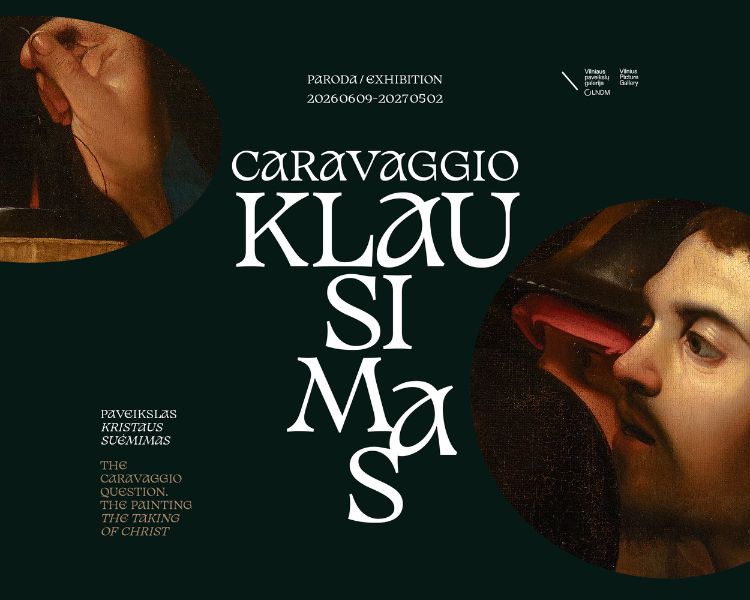
1603. Rome. Ciriaco Mattei stood before yet another painting now gracing the walls of his palace. A commotion, faces emerging from darkness, the desperate cry of John, a quiet resignation — the emotional tension and the physical proximity of the figures are almost palpable, as though one were present in the Garden of Gethsemane, reaching to pull the betrayer from His face. The work was, once again, faultless. He had paid Michelangelo da Caravaggio 125 scudi for The Taking of Christ, with no inkling that a brief entry in his account books would, centuries later, become one of the greatest discoveries in the art world.
More than a decade on, with both Ciriaco and his protégé gone, the patron’s brother Asdrubale Mattei commissioned a copy of the work from the painter Giovanni di Attilio, promising a fee of just 12 scudi. Both the copy and the original remained in the Mattei family collection until at least 1729, when their paths finally diverged.
At least twelve copies of The Taking of Christ are currently known worldwide. Scholarly debate continues over how much of the authentic Caravaggio survives in each. One of the most widely held theories identifies the Odessa painting as the earliest copy, made by di Attilio. Not all questions will be answered here, but the exhibition offers a rare opportunity to observe how art history is written.