Upload event
EN
LT
Homepage
Upload event
All
Excursions
Educations
Festivals
Theatre
Night Activities
Open Air
Concerts
Exhibitions
For Families
Sport
Conferences
More
Find event
List
Map
Filters
Map
Date
Free events
Today
Tomorrow
This weekend
Clear
Apply
Filters
Categories
Clear
All categories
Conferences
Educations
Festivals
Night Activities
Concerts
Free Admission
Theatre
Exhibitions
For Families
Open Air
Sport
Excursions
Show only free events
Date
Clear
Today
Tomorrow
This weekend
Free Admission
Open Air
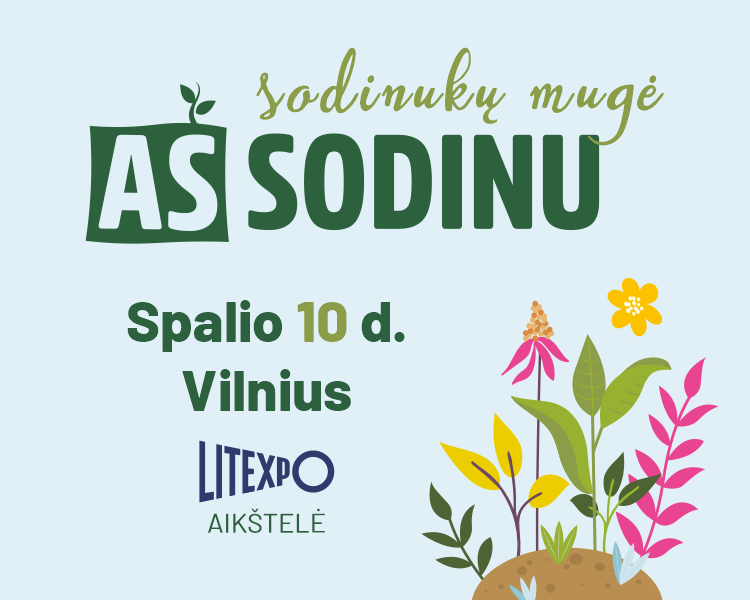
Seedling Fair „I Plant“ in Vilnius
Saturday, October 10, 2026
Litexpo parking area
Educations
Festivals
Medieval Day at the Bastion
Saturday, October 10, 2026
11:00
The Bastion of Vilnius City Wall
Theatre
For Families
Musical performance for children “The war of mushrooms”
Saturday, October 10, 2026
12:00
Vilnius Puppet Theatre “Lėlė”
Theatre
For Families
KEISTUOLIAI | When I Was Little
Saturday, October 10, 2026
12:00
”Keistuolių” Teatras (The Odd Men Theatre)
Theatre
For Families
Performance for children ”The Golden-Apple, the Wine well”
Saturday, October 10, 2026
14:00
Vilnius Puppet Theatre “Lėlė”
Sport
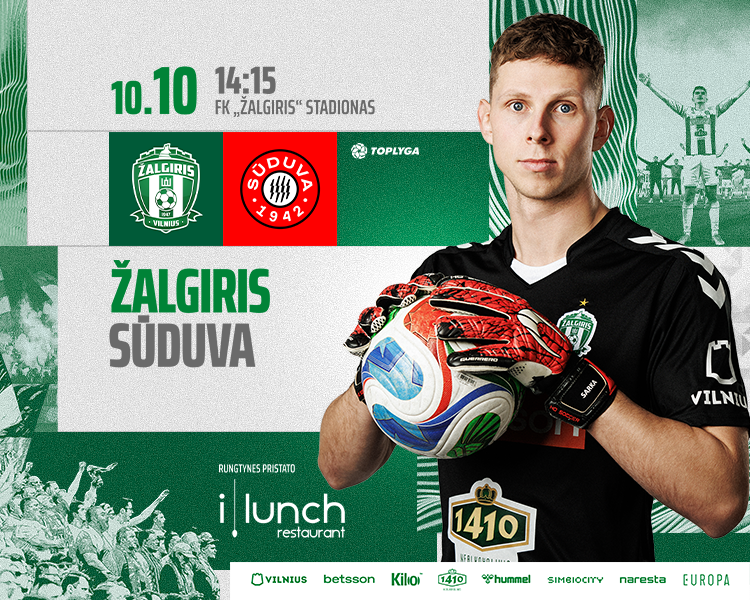
TOP LEAGUE MATCH: FK ŽALGIRIS – MARIJAMPOLĖ SŪDUVA
Saturday, October 10, 2026
14:15
FK Žalgiris Stadium
Theatre
For Families
Jonas Kareivis
Saturday, October 10, 2026
15:00
”Keistuolių” Teatras (The Odd Men Theatre)
Theatre
The Picture of Dorian Gray | Non verbal performance
Saturday, October 10, 2026
16:00
Vilnius Puppet Theatre “Lėlė”
Our recommendations
Free Admission
Exhibitions
Free Museums on the last Sunday of the month
Sunday, October 25, 2026
Various venues
Free Admission
For Families
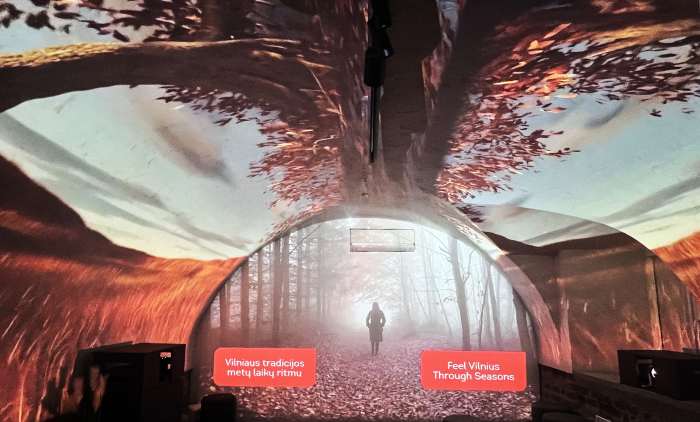
Audiovisual Story “Let Vilnius Recharge You” at the Vilnius Tourist Information Centre
September 27, 2026 – December 31, 2027
Vilnius Tourist Information Centre
Festivals
Banchetto Musicale – International Early Music Festival 2026
October 3 – October 22, 2026
Various venues
Festivals
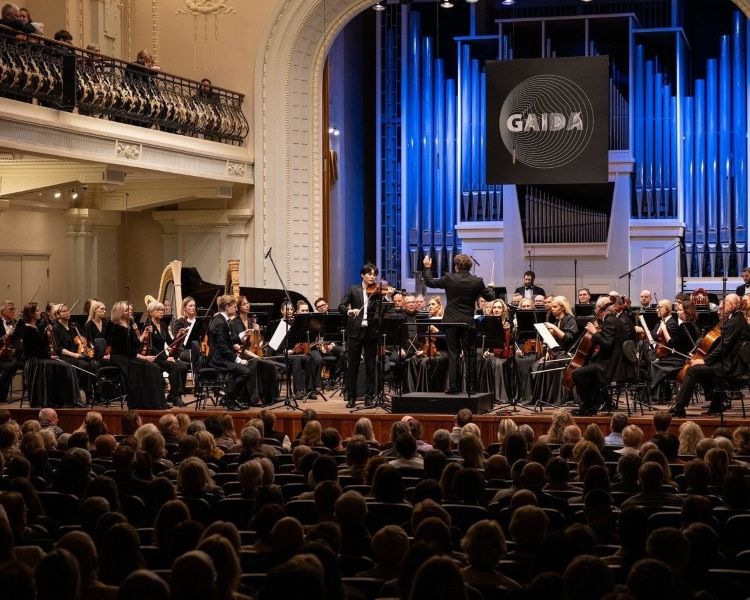
International Contemporary Music Festival GAIDA
October 16 – November 8, 2026
Various venues
Free Admission
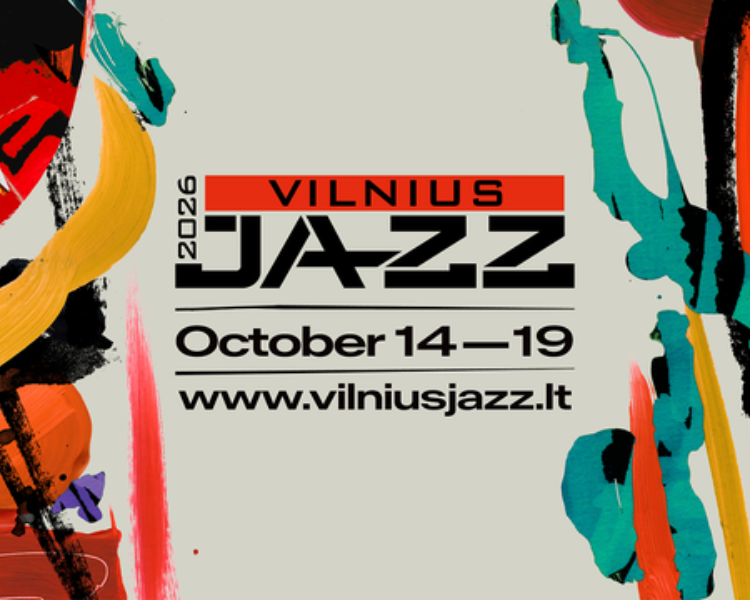
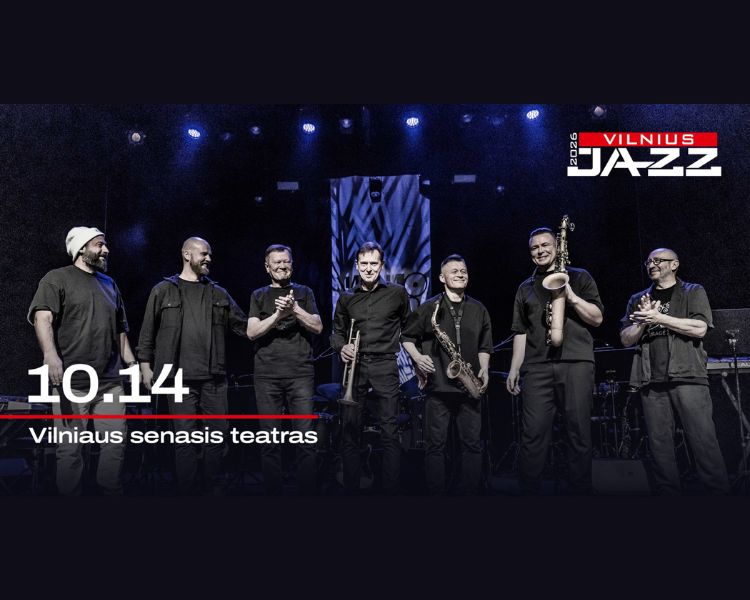
International Jazz Festival “Vilnius Jazz 2026”
October 14 – October 18, 2026
Various venues
Educations
Free Admission
Tastes of Vilnius: Free Educational Experiences for Lithuanian Gastronomy Week
Saturday, October 17, 2026
16:00
Vilnius Tourist Information Centre
Festivals
Lithuanian Gastronomy Week 2026
November 9 – November 15, 2026
Various venues
Theatre
For Families
Scientific Show The Discoverer!
Saturday, October 10, 2026
17:00
Raganiukės Theatre
Concerts
For Families
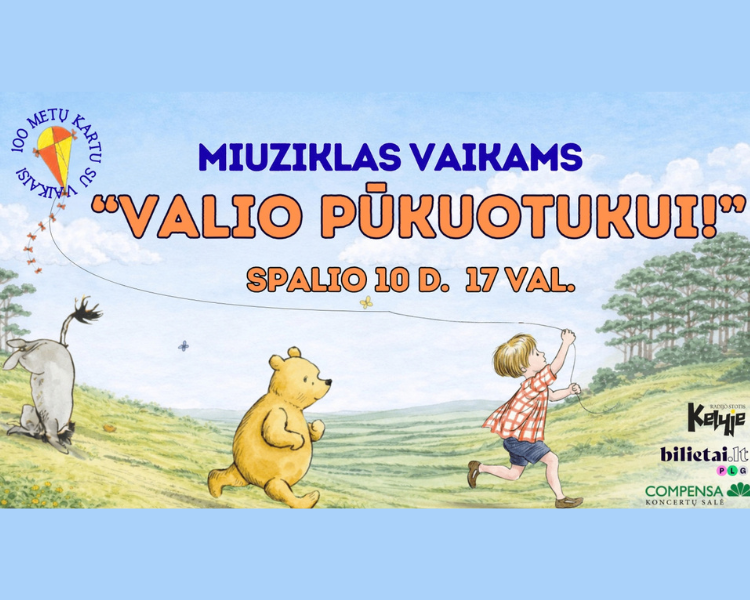
Musical for children “Hooray for Winnie the Pooh”
Saturday, October 10, 2026
17:00
Concert Hall “Compensa”
Concerts
Theatre
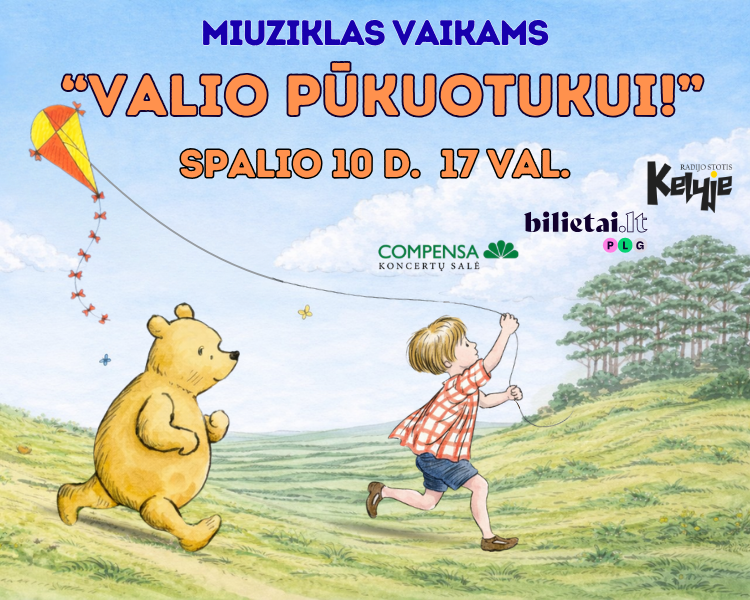
Musical for Children “Hooray for Winnie the Pooh!”
Saturday, October 10, 2026
17:00
Concert Hall “Compensa”
Concerts
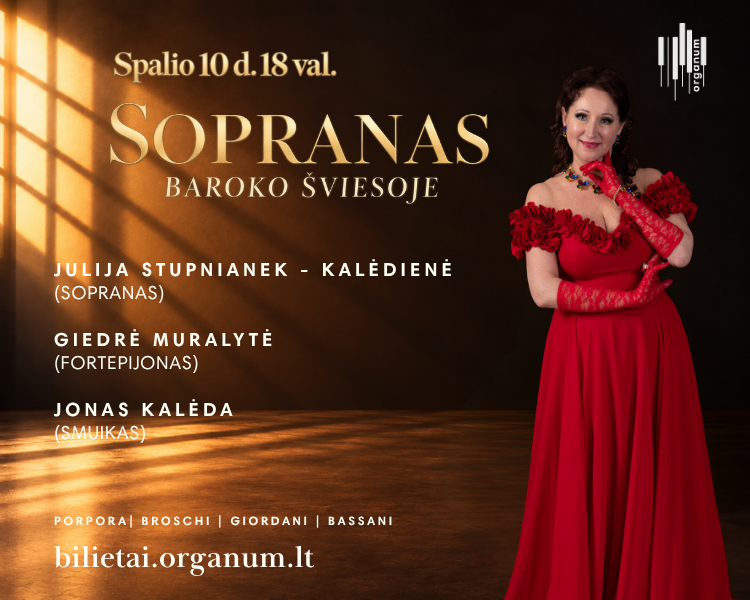
Soprano in the Light of the Baroque | Julija Stupnianek-Kalėdienė
Saturday, October 10, 2026
18:00
Concert Hall “Organum”
Theatre
Music Performance “Sayonakidori” (Lithuanian: Nightingale)
Saturday, October 10, 2026
18:00
Radvila Palace Museum of Art
Night Activities
Concerts
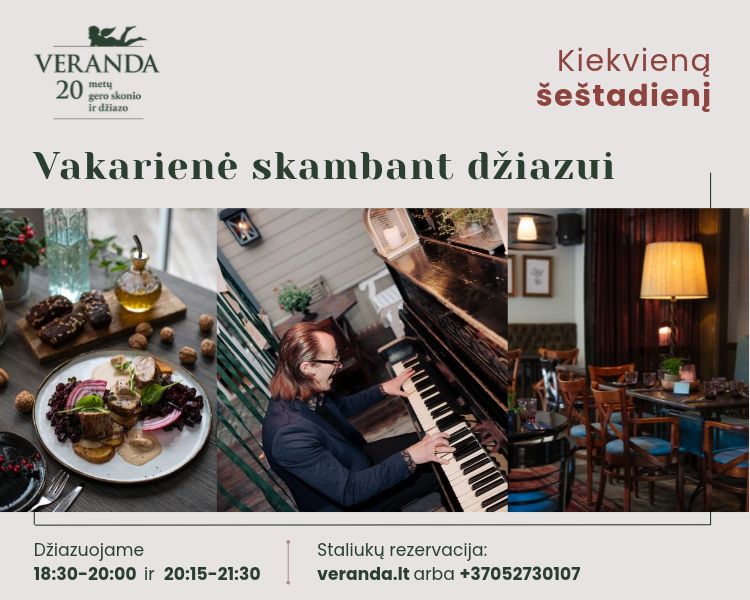
Dinner with Jazz • Piano Jazz
Saturday, October 10, 2026
18:30
Bar “Veranda”
Night Activities
Concerts
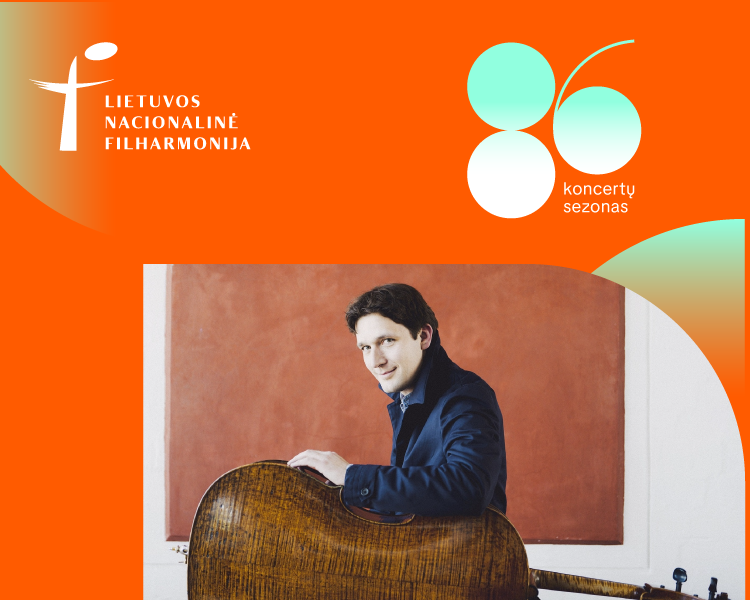
Myths and Legends 2. LNSO, Maximilian Hornung, Victorien Vanoosten
Saturday, October 10, 2026
19:00
Lithuanian National Philharmonic
Theatre
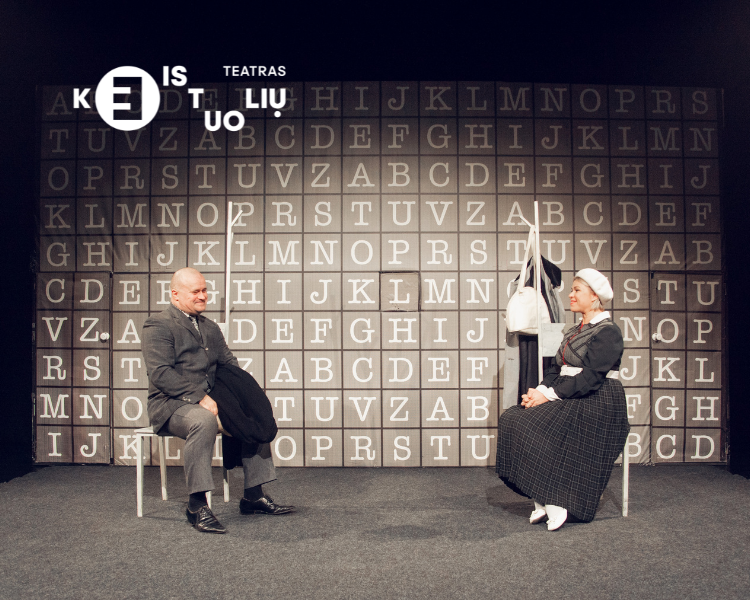
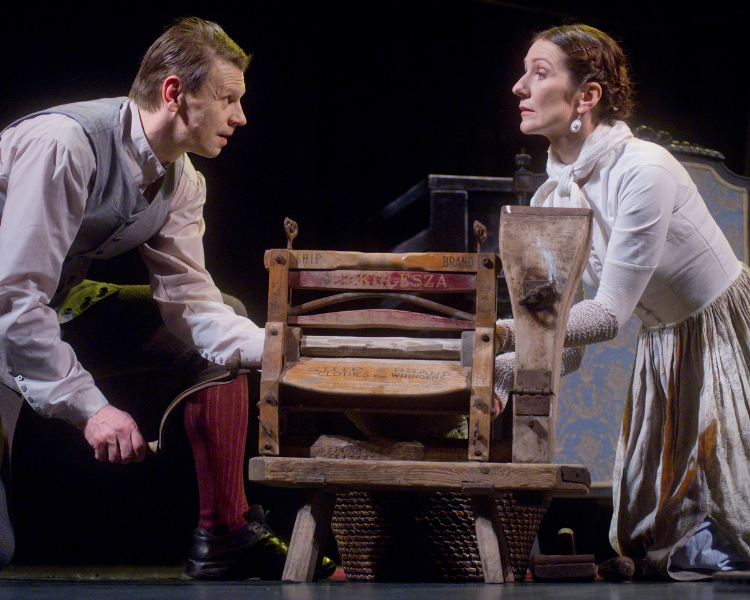
The Typists | Keistuoliai Theatre
Saturday, October 10, 2026
19:00
”Keistuolių” Teatras (The Odd Men Theatre)
Night Activities
Concerts
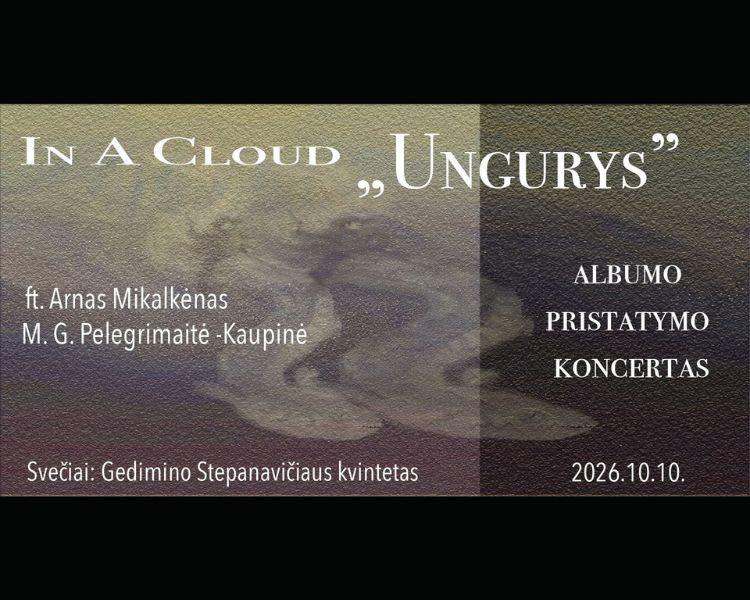
IN A CLOUD – UNGURYS | Album Launch Concert
Saturday, October 10, 2026
19:30
Kostmosas
Night Activities
Concerts
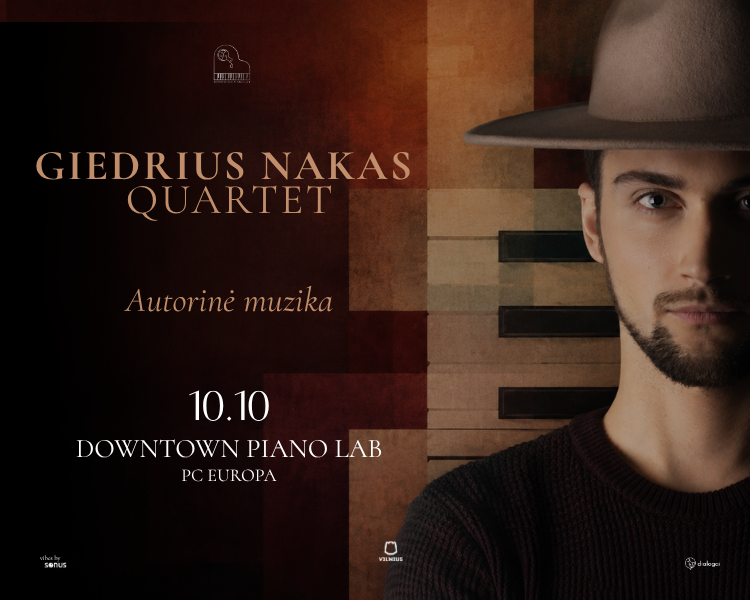
GIEDRIUS NAKAS QUARTET: ORIGINAL MUSIC
Saturday, October 10, 2026
19:45
Downtown Piano Lab (PC Europa)
Festivals
Night Activities
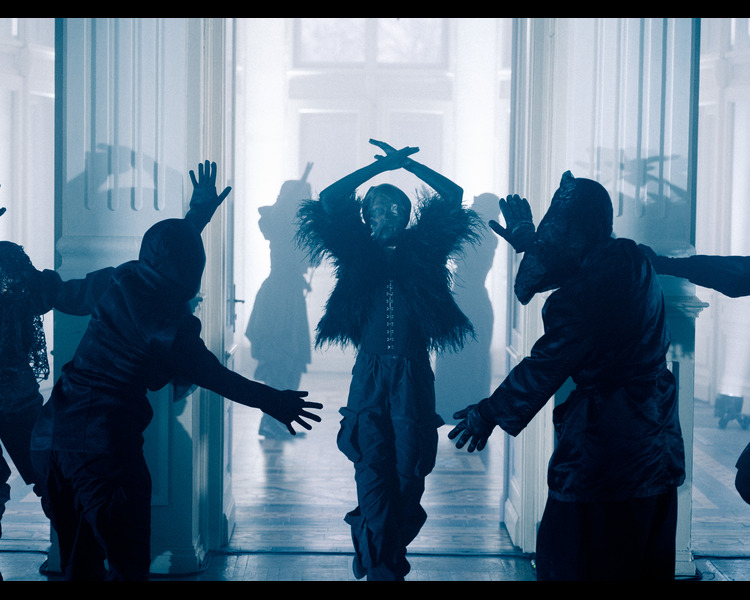
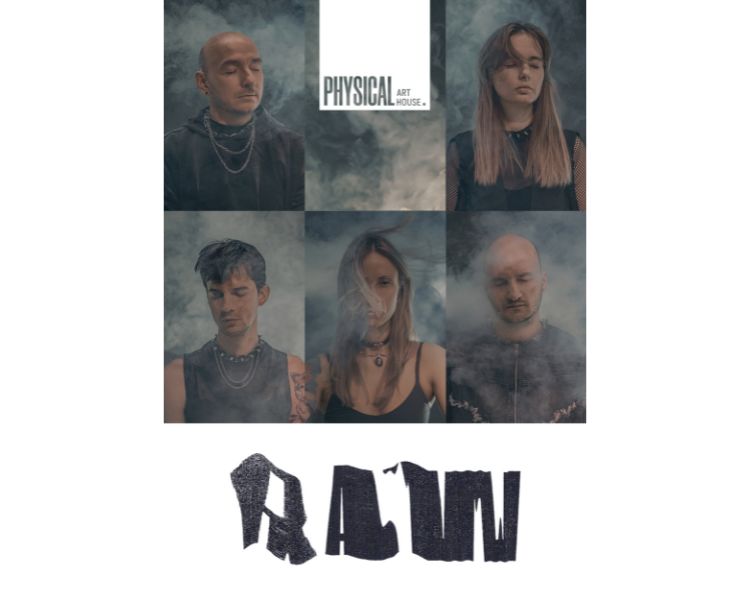
“RAW” DANCE PERFORMANCE | III YOUTH THEATRE ARTS FESTIVAL “SOL ORIENS”
Saturday, October 10, 2026
20:00
House of Polish Culture
Festivals
Night Activities
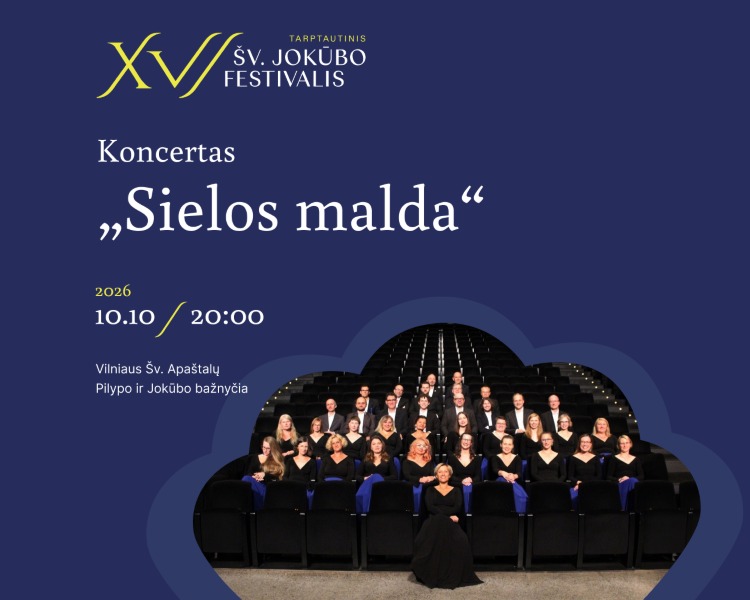
XVI International St. James Festival Concert “A Prayer Within”
Saturday, October 10, 2026
20:00
Church of St. Philip and St. Jacob
Night Activities
Concerts
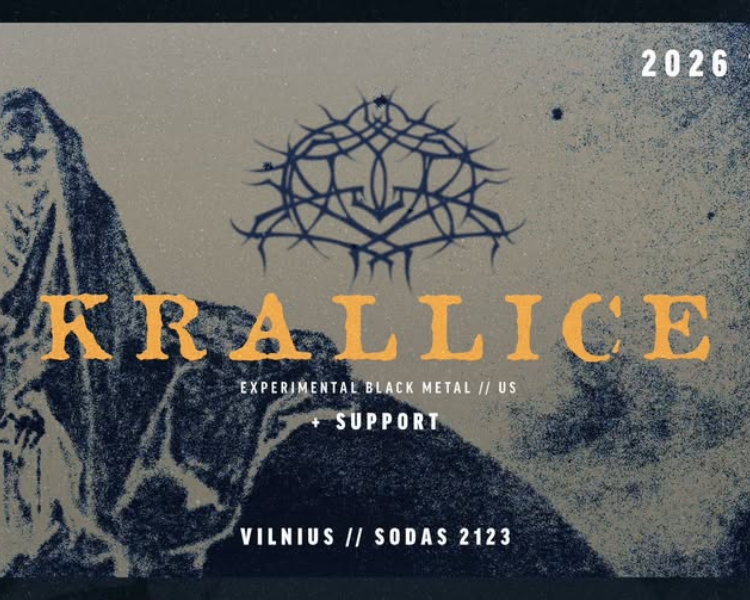
Krallice
Saturday, October 10, 2026
20:00
Cultural Complex “Sodas 2123″
Night Activities
Concerts
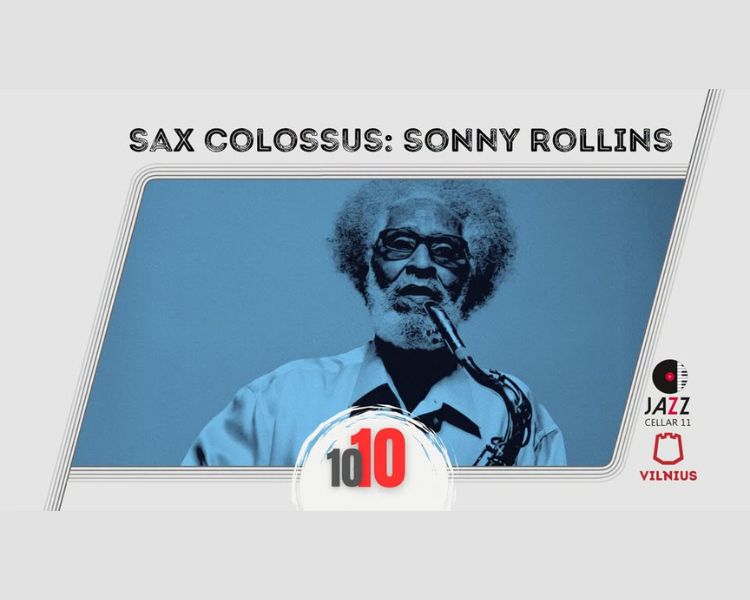
Sax Colossus: Sonny Rollins
Saturday, October 10, 2026
20:30
Jazz Cellar 11
Night Activities
Concerts
Cafe opening with a concert KOPA and friends
Saturday, October 10, 2026
21:00
Scenos skonis | cafe
Theatre
For Families
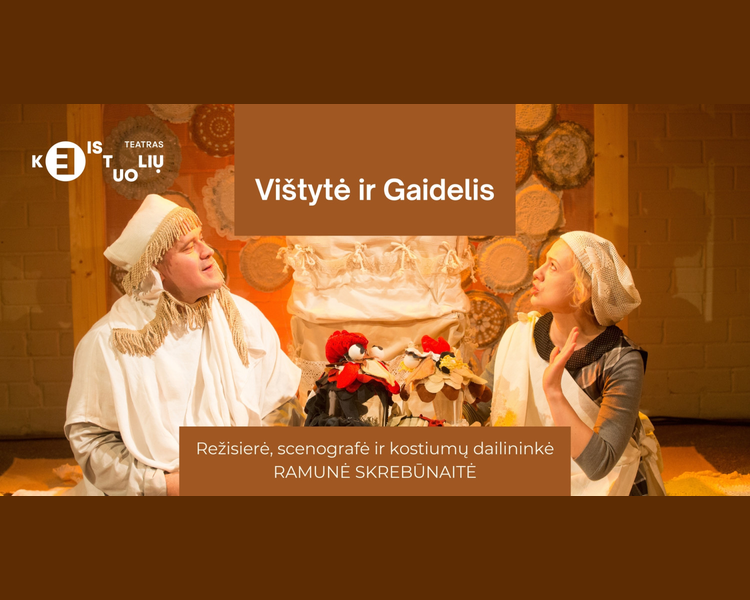
KEISTUOLIAI I Vištytė ir gaidelis
Sunday, October 11, 2026
12:00
”Keistuolių” Teatras (The Odd Men Theatre)
Festivals
Concerts
Music from the sky – Organ Music Festival
Sunday, October 11, 2026
13:30
Church of Jesus the Redeemer
Theatre
For Families
Puppet show for children “Snow White and the Seven Dwarfs”
Sunday, October 11, 2026
14:00
Vilnius Puppet Theatre “Lėlė”
Theatre
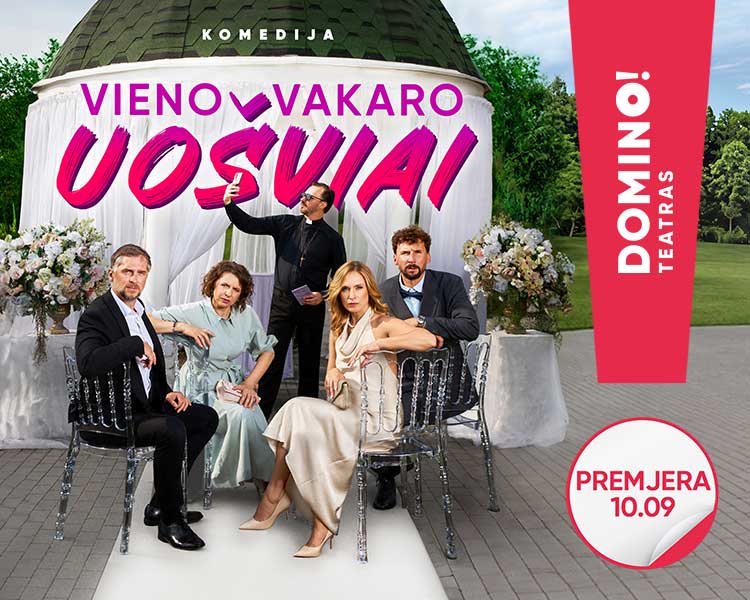
Domino Theatre Premiere: In-Laws for One Night
Sunday, October 11, 2026
14:00
”Domino” Theatre
Theatre
For Families
The Secret of the Mountain Lake
Sunday, October 11, 2026
15:00
”Keistuolių” Teatras (The Odd Men Theatre)
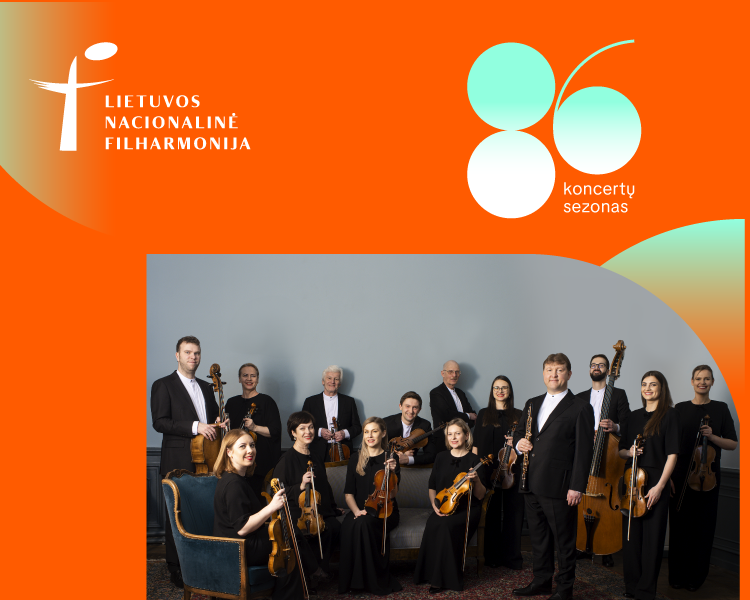
Concerts
Along the Baroque Routes
Sunday, October 11, 2026
16:00
Lithuanian National Philharmonic
Theatre
For Families
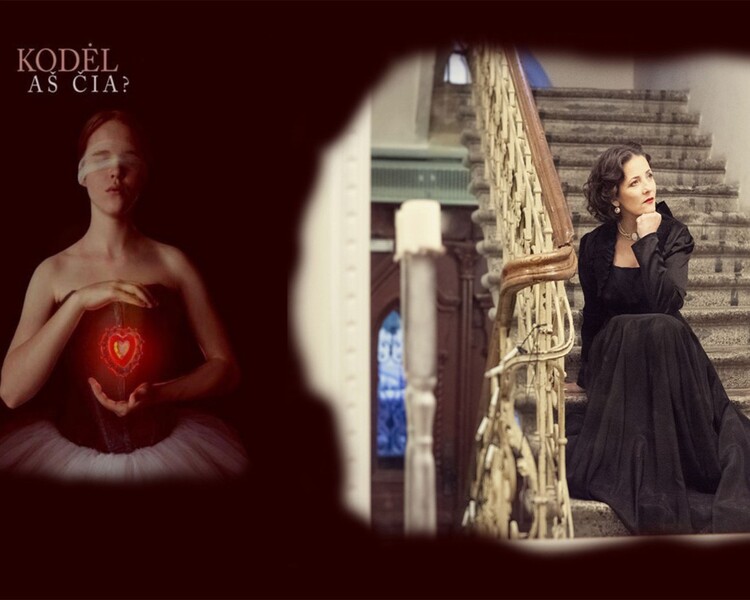
Sensory Performance in the Dark: Why Am I Here?
Sunday, October 11, 2026
16:00
Naujasis teatras
Theatre
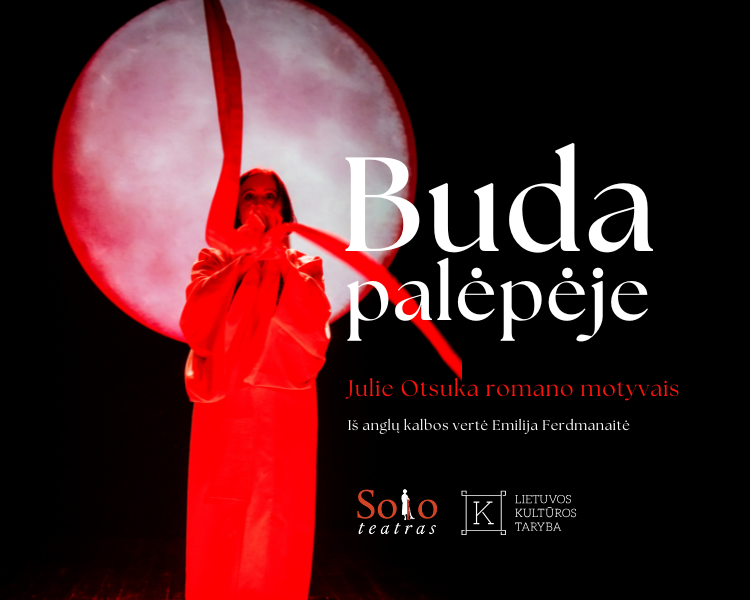
Buddha in the Attic | A One-Act Play Based on the Novel by Julie Otsuka
Sunday, October 11, 2026
16:30
Lithuanian National Drama Theatre
Night Activities
Open Air
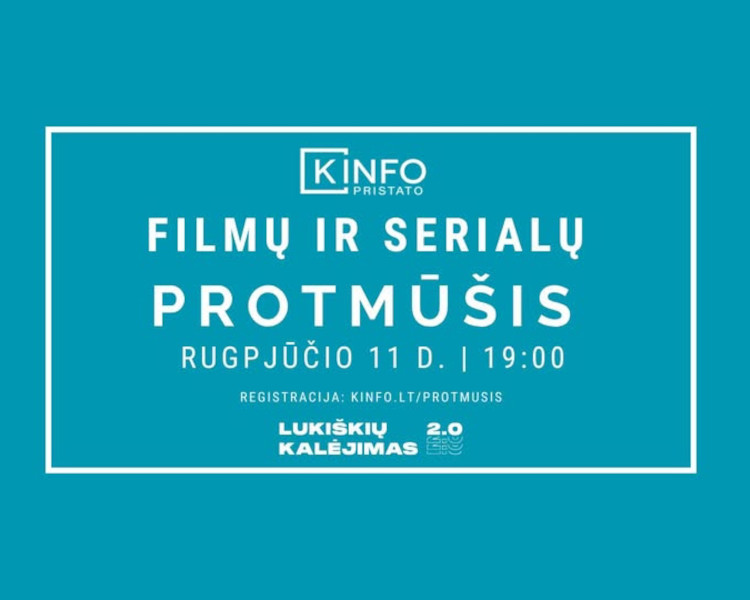
Film and TV Series Quiz
Sunday, October 11, 2026
19:00
Lukiškės Prison
Concerts
Theatre
BOOK + CINEMA: AUTUMN FILM EVENINGS
Tuesday, October 13, 2026
18:00
Vilnius Town Hall
Theatre
THE LAND OF RAIN
Tuesday, October 13, 2026
18:30
Arts Printing House
Night Activities
Concerts
Dinner with Jazz • Piano Jazz
Tuesday, October 13, 2026
19:00
Bar “Veranda”
Night Activities
Theatre
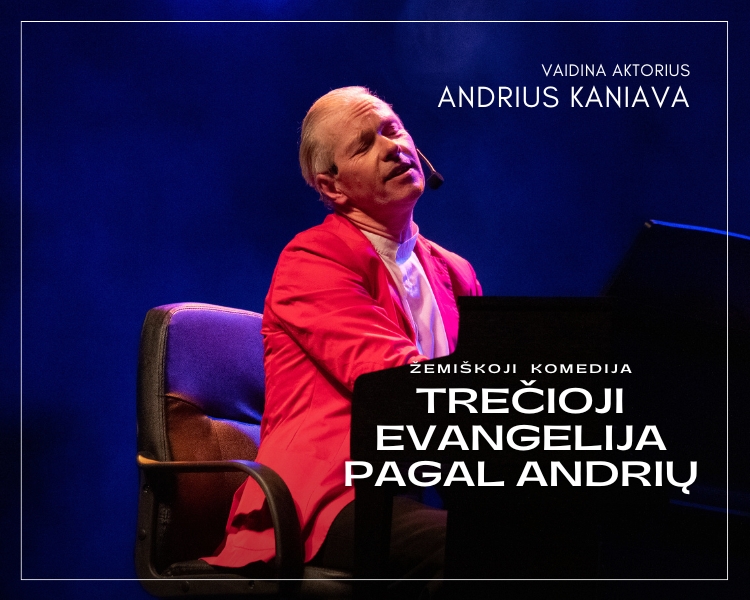
“The Third Gospel According to Andrius” | TAMSTA
Tuesday, October 13, 2026
19:30
Music Club “Tamsta”
Concerts
Free Admission
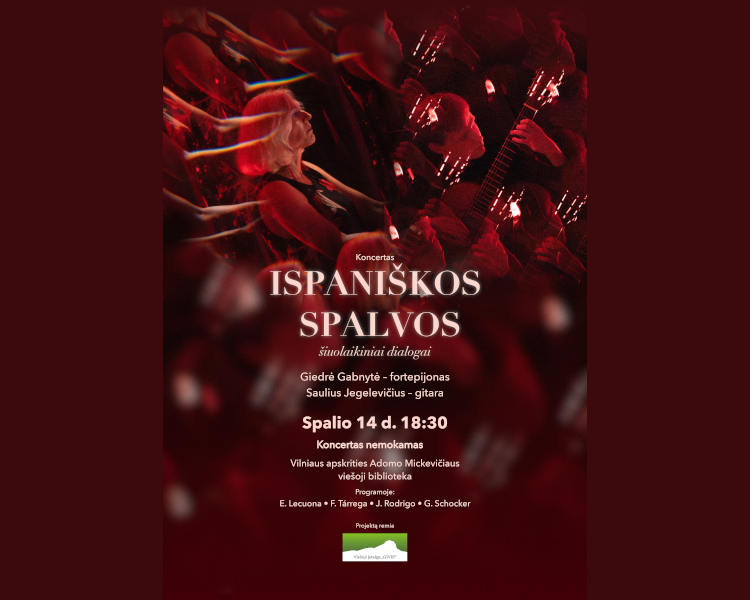
Spanish Colours – Contemporary Dialogues
Wednesday, October 14, 2026
18:30
Public Library of A. Mickevičius
Festivals
Night Activities
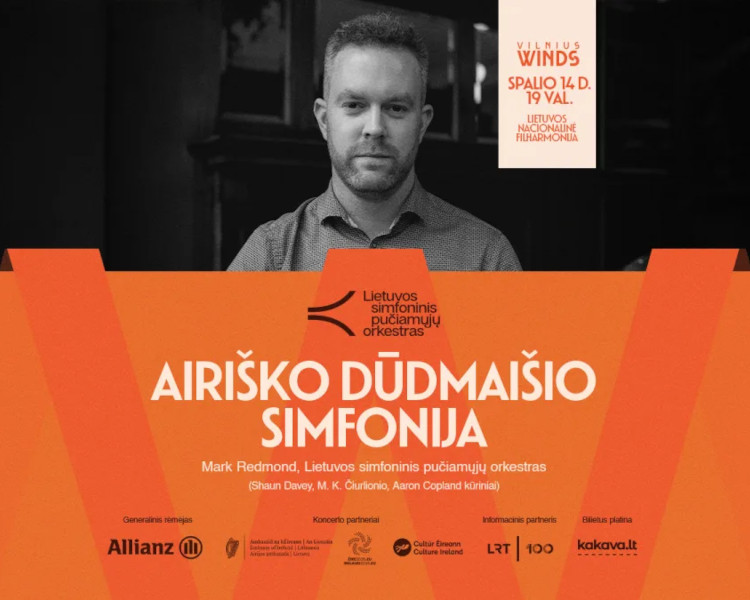
UILLEANN PIPES SYMPHONY: Mark Redmond, Lithuanian Symphonic Wind Orchestra | VILNIUS WINDS
Wednesday, October 14, 2026
19:00
Lithuanian National Philharmonic
Festivals
Night Activities
Vilnius Jazz 2026: Hugo Carvalhais Oblong Emission (PT-LT), Dainius Pulauskas Group (LT)
Wednesday, October 14, 2026
19:00
the Old theater of Vilnius
Free Admission
Sport
EuroLeague Returns | Vilnius „Kibirkštis-TOKS“ vs „Athinaikos“
Wednesday, October 14, 2026
19:00
Active Vilnius arena
Night Activities
Theatre
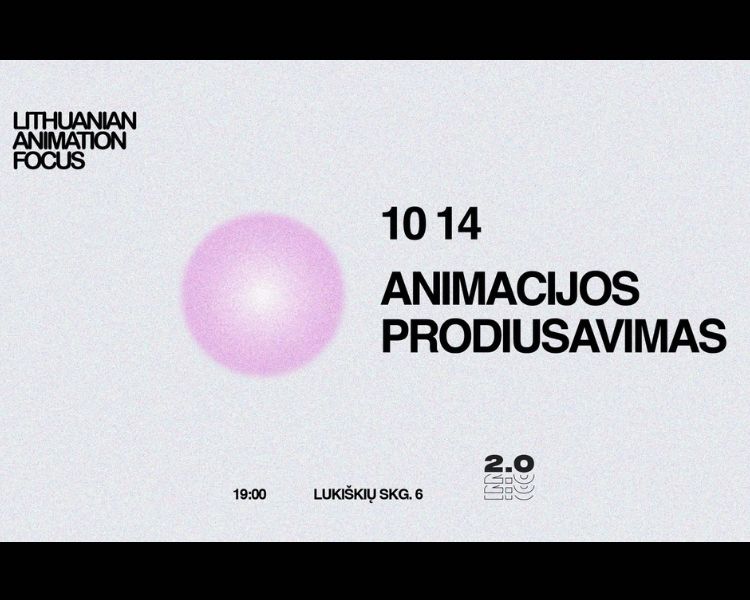
ANIMATION PRODUCTION | LITHUANIAN ANIMATION FOCUS
Wednesday, October 14, 2026
19:00
Lukiškės Prison
Theatre
For Families
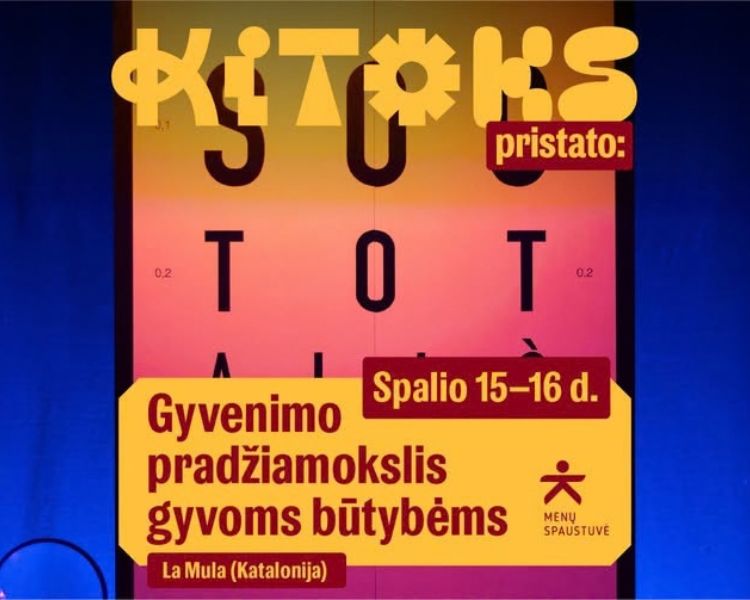
A BEGINNER’S GUIDE TO LIFE FOR LIVING BEINGS | La Mula (Catalonia)
Thursday, October 15, 2026
10:00
Arts Printing House
Festivals
Concerts
Pedro Costa: Clean Feed “Wrong but Strong 2001-2026”
Thursday, October 15, 2026
17:00
MO Museum
Theatre
For Families
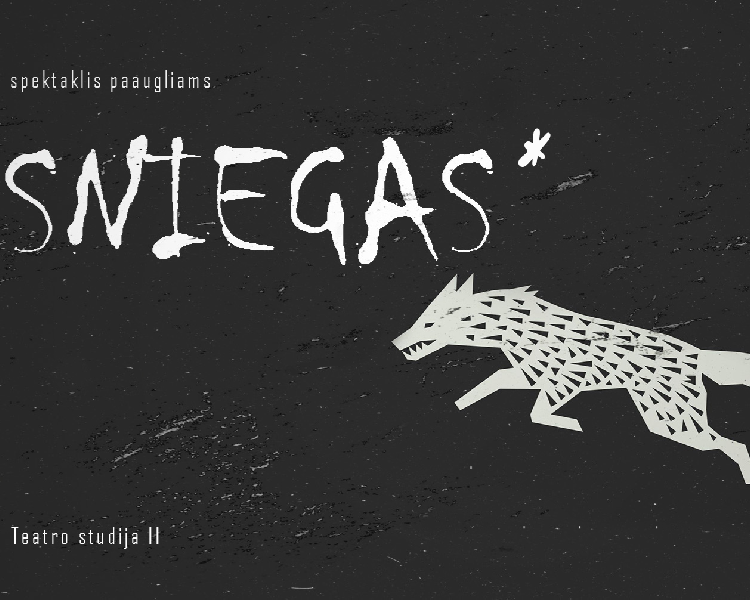
SNOW – PERFORMANCE FOR TEENAGERS AND YOUNG PEOPLE*
Thursday, October 15, 2026
18:00
(LT) Meno erdvės “VILEIŠIO18″
Theatre
NOT THE WAYS OF THIS WORLD || Fantasy about the poet Kristijonas Donelaitis in one act
Thursday, October 15, 2026
18:30
Vilnius Puppet Theatre “Lėlė”
Night Activities
Theatre
Play “Riešutų duona”
Thursday, October 15, 2026
19:00
”Keistuolių” Teatras (The Odd Men Theatre)
Festivals
Night Activities
V International Joseph Achron Music Festival | Song of Memory
Thursday, October 15, 2026
19:00
VILNIUS CHORAL SYNAGOGUE
Night Activities
Theatre
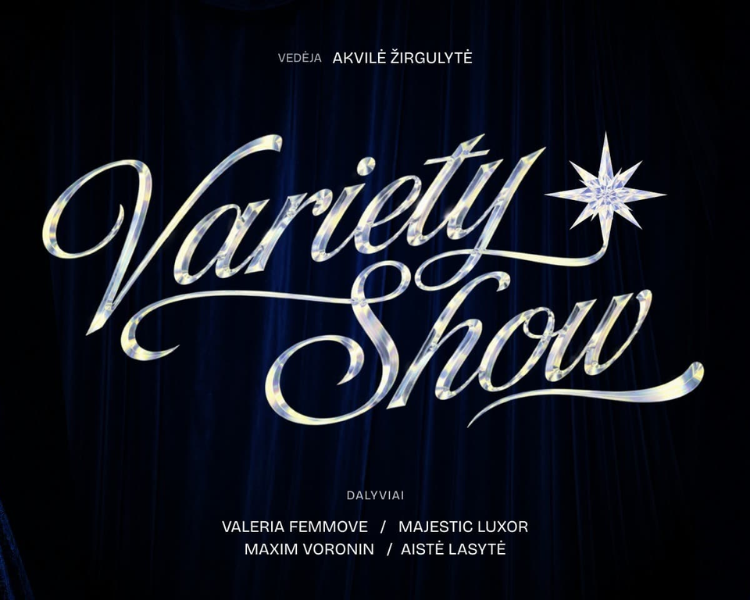
VARIETY SHOW
Thursday, October 15, 2026
19:00
Festivals
Night Activities
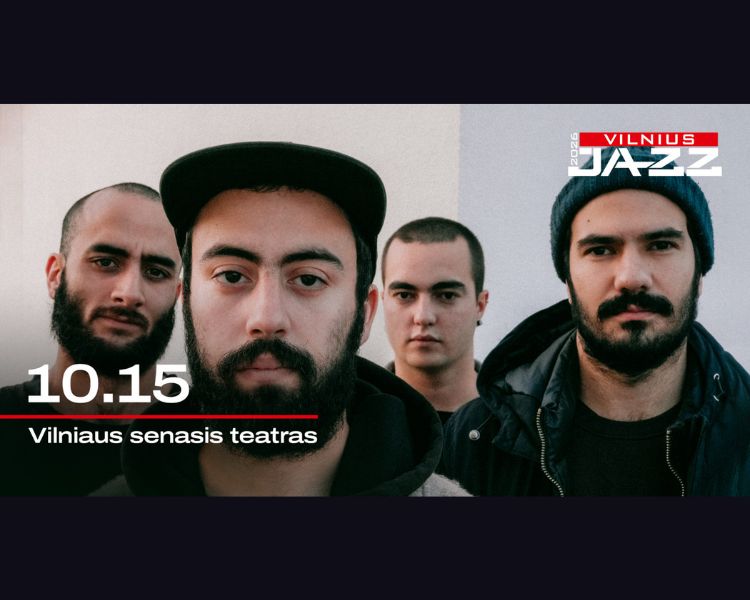
Vilnius Jazz 2026: Claude Tchamitchian (FR), Garfo (PT), T.Kutavičius-K.Jušinskas-K.Gikas-A.Gotesman (LT)
Thursday, October 15, 2026
19:00
the Old theater of Vilnius
Night Activities
Concerts
RE:TURN | Piano Recital “Echoes of the Baltics”
Thursday, October 15, 2026
19:00
Music Magic Club
Night Activities
Free Admission
WORLD CINEMA EVENINGS WITH AUDRIUS STONYS | SCREENING OF “NOSTOS: THE RETURN”
Thursday, October 15, 2026
19:00
M. K. Čiurlionio House
Concerts
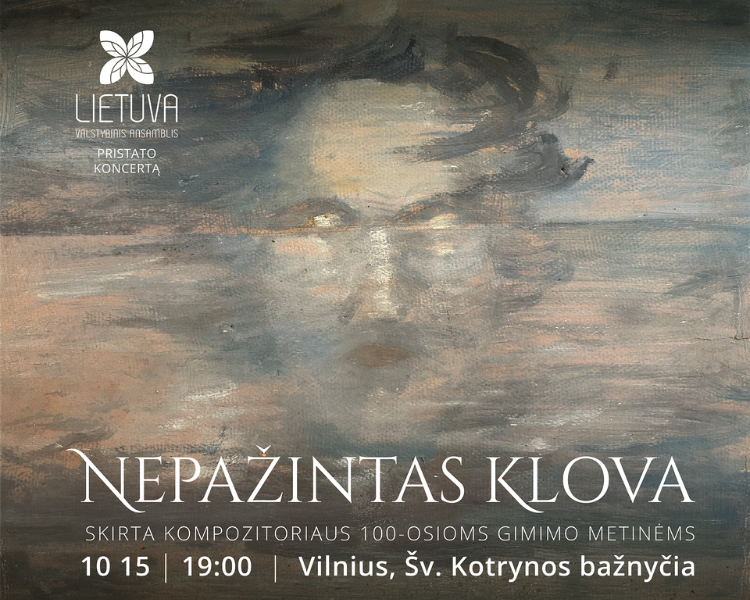
“UNKNOWN KLOVA” CONCERT PROGRAMME
Thursday, October 15, 2026
19:00
St. Catherine‘s Church
Event map
Search event
Filters
More events
By using this site, you consent to the use of cookies for analytical purposes, advertising and personalized content. For more information,
read here
.
OK
English
English
Deutsch
Español
Français
Italiano
Polski
Svenska
Suomi
Português
Română
Slovenščina
Slovenčina
Nederlands
Dansk
Ελληνικά
Čeština
Magyar
Lietuvių
Latviešu
Eesti
Hrvatski
Gaeilge
Български
Norsk
Türkçe
Bahasa Indonesia
Português (Brasil)
日本語
한국어
简体中文
العربية
Русский
हिन्दी
Українська
Srpski
English (UK)
فارسی
עברית
Македонски
ไทย
Tiếng Việt
Accessibility Adjustments
Powered by
OneTap
Hide Toolbar
Back
How long do you want to hide the toolbar?
Hide Toolbar Duration
Only for this session
24 hours
A Week
Not Now
Hide Toolbar
Select your accessibility profile
Vision Impaired Mode
Enhances website's visuals
Vision Impaired Mode
Seizure Safe Profile
Clear flashes & reduces color
Seizure Safe Profile
ADHD Friendly Mode
Focused browsing, distraction-free
ADHD Friendly Mode
Blindness Mode
Reduces distractions, improves focus
Blindness Mode
Epilepsy Safe Mode
Dims colors and stops blinking
Epilepsy Safe Mode
Content Modules
Font Size
+
Default
-
Readable Font
Line Height
+
Default
-
Cursor
Letter Spacing
Align Text
Font Weight
Color Modules
Light Contrast
High Contrast
Monochrome
Orientation Modules
Reading Line
Reading Mask
Hide Images
Highlight Content
Stop Animations
Highlight Links
Skip To Content
Choose...
Main Content
Navigation
Footer
Reset Settings